
|
Getting your Trinity Audio player ready...
|
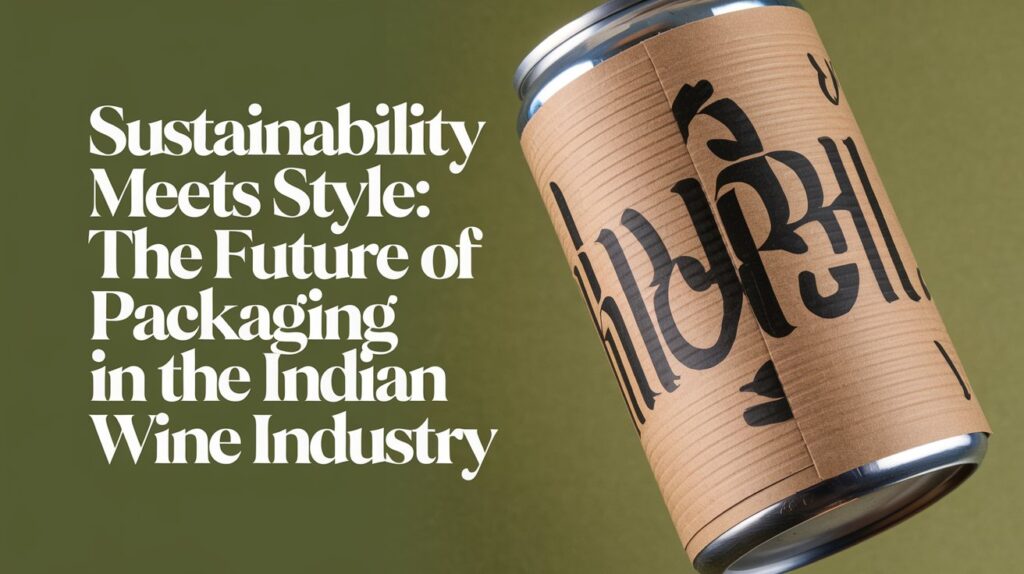
Sustainability Meets Style: The Future of Packaging In The Indian wine
The wine industry in India is undergoing a significant shift, driven by a new wave of young consumers who are challenging traditional perceptions of wine. Millennials and Gen Z are embracing new trends, making way for unconventional wine packaging formats like cans, cartons, and bag-in-box solutions. These innovative packaging types are resonating with young drinkers, offering greater convenience, sustainability, and affordability. Let’s explore how this shift is reshaping the Indian wine market and the key players at the forefront of this transformation.
The Evolution of India’s Wine Market
India’s wine market has experienced impressive growth, with annual consumption increasing by 20–25%. While older generations tend to stick with classic glass bottles, younger consumers are fueling the demand for new and accessible packaging options. The rise of wine bars, a greater selection of domestic and imported wines, and a burgeoning wine culture among young professionals have all played a role in this shift.
Experts suggest that today’s young drinkers see wine not just as a beverage but as an experience—one that aligns with their values of convenience, sustainability, and affordability. As a result, non-traditional packaging options are becoming increasingly popular.
Why Young Drinkers Are Flocking to Alternative Wine Packaging
Several factors are driving the preference for unconventional wine packaging among India’s younger generation:
1. Convenience and On-the-Go Consumption
Alternative wine packaging, such as cans and tetra packs, offers unmatched convenience.
- Cans are portable, single-serve, and ready for consumption without the need for a corkscrew or glasses. This makes them perfect for picnics, concerts, or beach trips.
- Bag-in-box and tetra pack wines are easier to store and reseal, providing flexibility for home drinking or small gatherings.
Young consumers, who value portability and simplicity, find these formats ideal for casual and spontaneous enjoyment.
2. Sustainability: A Growing Concern
With environmental awareness on the rise, younger wine enthusiasts are increasingly concerned about the ecological impact of packaging.
- Glass bottles require more energy to produce, are heavier to transport, and are more difficult to recycle.
- In contrast, alternatives like aluminum cans, tetra packs, and bag-in-box solutions have a much smaller carbon footprint.
- Cans are highly recyclable, tetra packs are made from renewable resources, and bag-in-box wines help reduce waste, aligning perfectly with the eco-conscious mindset of today’s wine drinkers.
3. Affordability and Accessibility
One of the key benefits of unconventional wine packaging is its affordability.
- Cans, tetra packs, and bag-in-box wines often come at a lower price point than traditional bottles, making them more accessible to budget-conscious young consumers.
- Smaller packaging options also encourage experimentation, allowing consumers to try different varieties without committing to a full bottle.
This lowers the intimidation factor and invites newcomers to explore the world of wine more freely.
Major Brands Leading the Shift in Wine Packaging
Several well-known wineries are taking notice of this trend and introducing innovative packaging formats to cater to the evolving needs of young Indian consumers.
1. Sula Vineyards
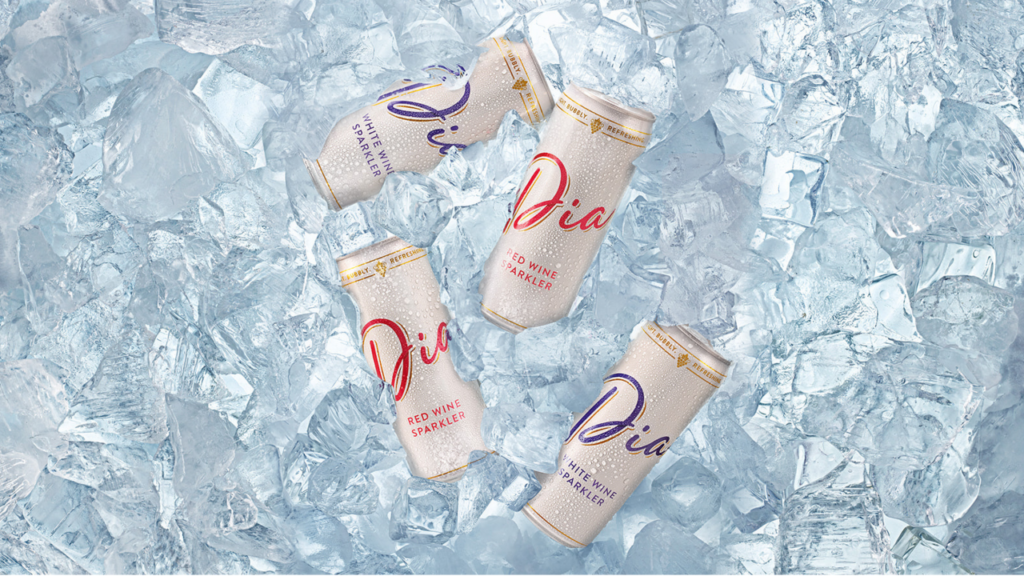
As one of India’s most established wine producers, Sula Vineyards has tapped into the demand for convenience with its “Dia Sparkler” wine, available in 330ml cans. This portable option is perfect for young drinkers who want to enjoy a sparkling wine on the go. Sula also offers tetra pack wines for consumers looking for a more affordable and accessible wine option.
2. Uniwine Vintners
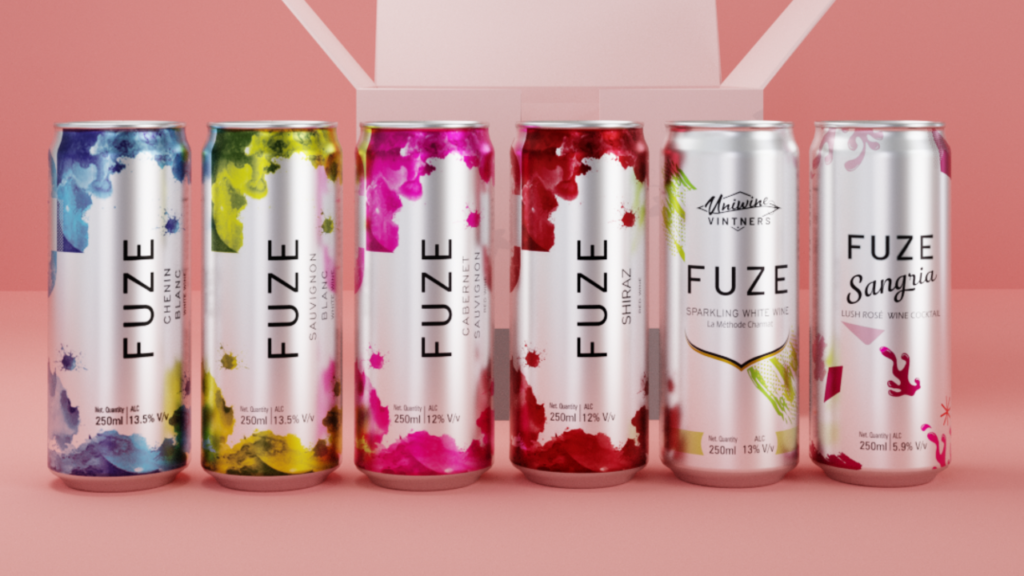
Uniwine Vintners has embraced innovation to offer a modern twist on traditional wine consumption by introducing still and sparkling wines in eco-friendly, convenient canned packaging.
By reducing the carbon footprint associated with glass production and transportation, aluminum cans offer an environmentally friendly alternative.
This shift is not just about aesthetics but represents a forward-thinking response to the evolving preferences of Gen Z and millennials, who value portability, sustainability, and affordability.
Uniwine Vintners has embraced innovation to offer a modern twist on traditional wine consumption by introducing still and sparkling wines in eco-friendly, convenient canned packaging.
- This shift is not just about aesthetics but represents a forward-thinking response to the evolving preferences of Gen Z and millennials, who value portability, sustainability, and affordability.
- By reducing the carbon footprint associated with glass production and transportation, aluminum cans offer an environmentally friendly alternative.
3. Fratelli Vineyards
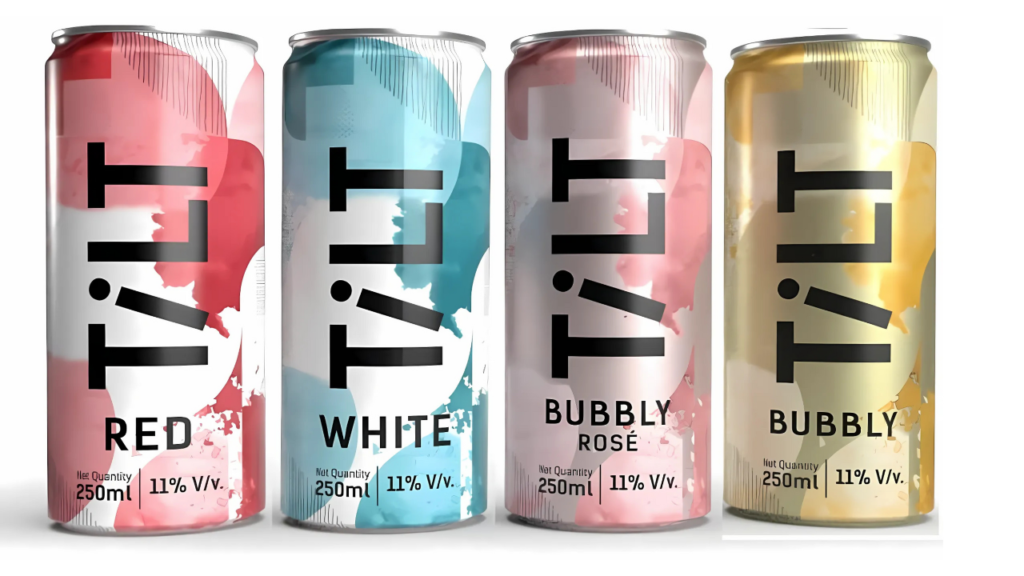
Fratelli’s “Vero” wine cans are a hit with young drinkers, offering a variety of flavors, including red, white, and rosé, in 250ml cans. These cans make wine easy to consume in casual settings and appeal to adventurous drinkers seeking convenience without sacrificing quality.
4. The Daily Dose

A newer brand in the Indian market, The Daily Dose offers wine in 180ml tetra packs, making it a perfect option for single servings. The brand focuses on providing premium wine in an eco-friendly, convenient format for urban consumers with fast-paced lifestyles.
The Role of Social Media in Promoting Innovative Wine Formats
Social media has played a crucial role in the rise of unconventional wine packaging in India. Platforms like Instagram and TikTok allow brands to showcase their trendy, sustainable packaging in visually appealing ways, making wine consumption more relatable and aspirational for young people.
Influencers and lifestyle bloggers often feature canned or boxed wines, helping to normalize these formats and encourage their adoption among a broader audience. The shareable nature of these formats, coupled with their travel-friendly characteristics, aligns perfectly with the social media culture of sharing personal experiences.
The Future of Wine Packaging in India: Convenience Meets Sustainability
The growing demand for alternative wine packaging in India mirrors a global trend that prioritizes convenience, sustainability, and affordability. While traditional glass bottles will continue to be a staple, the popularity of cans, tetra packs, and bag-in-box solutions is expected to rise, especially among younger consumers.
As more brands adopt innovative packaging formats, wine will become even more accessible to a wider range of drinkers, further solidifying its place as a beverage of choice for all occasions.
Changing the Wine Game for Young Drinkers in India
Unconventional wine packaging is revolutionizing the wine industry in India by appealing to the evolving preferences of young, trend-conscious consumers. With the rise of cans, tetra packs, and bag-in-box solutions, wine is becoming more portable, eco-friendly, and affordable, aligning with the values of convenience and sustainability that resonate with Millennials and Gen Z.
Brands like Sula, Fratelli, and Uniwine are leading the way, paving the path for a future where wine packaging may no longer be confined to the classic glass bottle.