
|
Getting your Trinity Audio player ready...
|
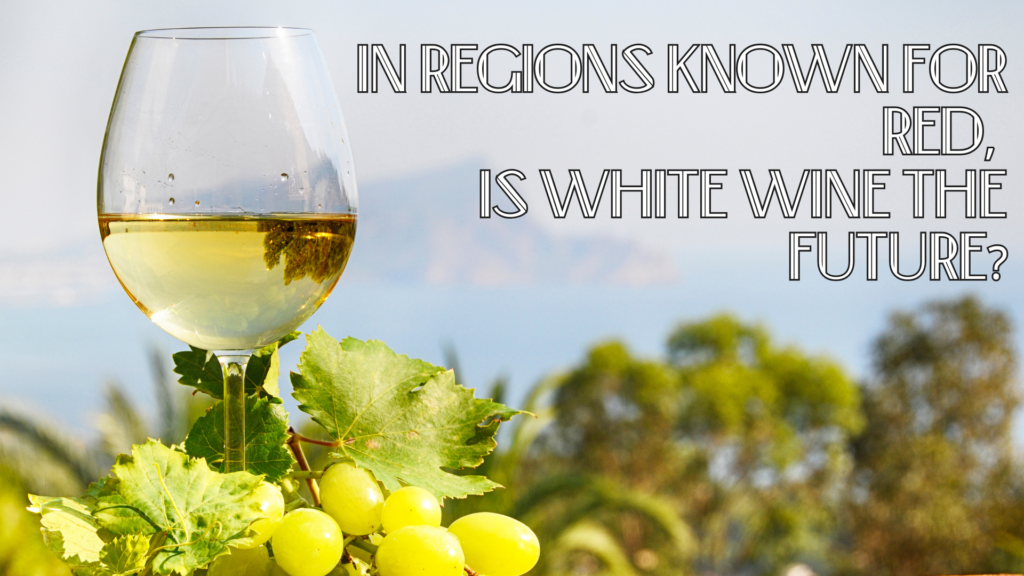
Traditionally, certain wine regions have built their reputations on producing bold and structured red wines. From the robust Cabernet Sauvignons of China to the refined Syrahs of India, red wines have dominated Asian viticulture for years. However, a shift is happening—winemakers in these historically red-focused regions are beginning to experiment with white wine production. Could white wine be the future for these renowned red wine regions?
The Rise of White Wine in Asia
Several factors contribute to the growing popularity of white wines in regions known for reds. Climate change, evolving consumer preferences, and advancements in viticulture are all playing a role in this transformation.
1. Climate Change and Winemaking Adaptation
Rising temperatures and changing weather patterns are making traditional red wine regions more suitable for white wine grape varieties. Grapes like Chardonnay, Sauvignon Blanc, and Riesling thrive in slightly cooler microclimates, which are now becoming more prevalent due to climate shifts.
2. Changing Consumer Preferences
Asian consumers, particularly in countries like China, India, and Japan, are developing a growing appreciation for white wines. The lighter, crisper profiles of white wines pair exceptionally well with Asian cuisine, which often features delicate flavors, seafood, and spiced dishes.
Notable White Wines from Traditional Red Wine Regions
Some of Asia’s most renowned red wine regions are now producing exceptional white wines, demonstrating that they can excel in both categories.
1. Uniwine Vintners (Nashik, India)
Known for its Reserve Shiraz, Uniwine Vintners is now making waves with its canned wine and sangria. Crisp, well-balanced, and with notes of citrus and tropical fruit, this white wine is proving that Nashik can do more than just reds.
2. Grace Vineyard Tasya’s Reserve Chardonnay (Shanxi, China)
Famous for its Bordeaux-style red blends, Grace Vineyard has successfully introduced a refined Chardonnay, offering elegant minerality and balanced acidity.
3. Château Mercian Koshu Gris de Gris (Nagano, Japan)
While Japan has long been known for its reds, particularly Merlot, the country’s Koshu grape is redefining white wine production. Château Mercian’s Koshu Gris de Gris offers delicate floral aromas and a refreshing finish, making it an exciting addition to the white wine market.
4. Silver Heights Family Reserve Chardonnay (Ningxia, China)
Ningxia’s winemaking prowess extends beyond its famous Cabernet Sauvignons. The Silver Heights Family Reserve Chardonnay showcases the region’s ability to produce elegant whites with great aging potential.
The Future of White Wine in Asia
As more wineries experiment with white wine production, Asia is becoming a formidable player in the global white wine market. Red wine may continue to dominate, but the rise of white wine offers consumers greater variety and highlights the versatility of Asian vineyards.
Winemakers are exploring indigenous grape varieties, experimenting with fermentation techniques, and using sustainable farming practices to ensure the quality of their white wines. This innovation signals that the future of winemaking in Asia may not just be red—it could be white as well.
Conclusion
While Asia’s red wine regions will always be known for their bold reds, the increasing focus on white wines is undeniable. With climate changes, evolving palates, and improved winemaking techniques, white wine may very well be the future of these traditional red wine regions. Whether you’re a red wine enthusiast or a lover of crisp, refreshing whites, Asia’s wine industry is offering something for everyone. Cheers to a future where both red and white wines thrive side by side!