Author name: Aryaman Arora

Wine Cocktails
Wine

The Rise of Wine Cocktails and RTD Beverages in India: A New Era of Casual Drinking

India’s beverage market is undergoing a transformation, with wine cocktails and Ready-to-Drink (RTD) wine beverages leading the charge. As Indian consumers increasingly seek convenience, unique flavors, and low-alcohol alternatives, these innovative drinks are making their mark in a traditionally spirit-driven market. Why Wine Cocktails and RTD Beverages Are Gaining Popularity in India Challenges Facing RTD Wine Cocktails in India The Future of Wine Cocktails and RTD Beverages in India The future of wine cocktails and RTD beverages in India is promising. Leading brands like Uniwine Vintners, Sula Vineyards, and Fratelli Wines are already innovating with canned wines, flavored spritzers, and premium sangrias to capture the attention of younger, trend-driven consumers. With the demand for convenient, flavorful, and lower-alcohol beverages on the rise, the RTD wine segment is set for rapid expansion. The key to success in this space will be innovative marketing, strategic pricing, and continuous product diversification to meet the diverse preferences of Indian consumers. Final Thoughts Wine cocktails and RTD beverages in India are more than just a passing trend—they represent a shift in how Indian consumers approach wine. With a growing desire for convenience, new flavors, and lighter drinking options, these beverages are changing the face of wine culture in India. Brands that continue to innovate with sustainable packaging, unique flavors, and exciting marketing will lead the charge in this new era of casual and accessible wine drinking. Whether you’re an experienced wine connoisseur or a first-time drinker, RTD wine cocktails provide a fun, effortless way to enjoy wine—one sip at a time!

dessert wine
Wine

The Growing Dessert Wine Market in India: Trends, Sales, and Future Prospects

The Indian wine industry has experienced remarkable growth in recent years, and dessert wines are quickly emerging as one of the most exciting and evolving segments. While red and white wines continue to dominate the market, dessert wines in India—celebrated for their rich, sweet, and indulgent flavors—are gaining traction among a growing number of consumers seeking sophisticated and luxurious beverage options. With rising disposable incomes, evolving palates, and an increasing fascination with global wine culture, the future of dessert wine in India looks exceptionally promising. 1. The Rise of Dessert Wines in India Historically, India has not been a major consumer or producer of dessert wine. However, as wine appreciation grows across metropolitan cities and tier-2 markets, there is a clear shift. More Indian consumers are now seeking diverse drinking experiences, and the demand for sweet wines is steadily increasing. Leading Indian wineries are tapping into this trend by exploring various types of dessert wines, including: This newfound curiosity is helping to establish a vibrant dessert wine market in India. 2. Key Players in the Indian Dessert Wine Market Recognizing the untapped potential, several Indian wineries are investing in the production of high-quality dessert wines: These wineries are setting the stage for the future of the Indian dessert wine market. 3. Market Size and Sales Figures Although dessert wines currently represent a smaller portion of the overall Indian wine market, their sales trajectory is impressive: The numbers suggest that dessert wine sales in India are on a steep upward curve. 4. Consumer Preferences and Emerging Trends The evolving preferences of Indian consumers are further boosting the dessert wine market: 5. Challenges and Opportunities Despite the positive outlook, the dessert wine segment faces certain challenges: The opportunities far outweigh the challenges, making this the right time for wineries to expand their dessert wine offerings. 6. The Future of Dessert Wines in India With growing consumer curiosity, strategic investments by wineries, and a deeper appreciation for wine culture, the future of dessert wines in India looks extremely promising. We can expect: India is well-positioned to become a notable player in the global dessert wine industry over the next decade. Conclusion The Indian dessert wine market is set for significant expansion. With rising sales, increasing consumer education, and a cultural shift towards premium experiences, dessert wines are poised to become a favorite indulgence for sophisticated drinkers across the country. As more wineries innovate and promote their sweet wine collections, the dessert wine industry in India will see substantial growth and international recognition.

Wine Market in India
Wine

Non-Alcoholic Wine Market in India: A New Era for Health-Conscious Drinkers

The Wine Market in India is undergoing a major shift, and non-alcoholic wines are at the heart of this transformation. As more people look for healthier alternatives to traditional alcoholic beverages, without sacrificing the flavor and elegance of wine, non-alcoholic wines are gaining incredible popularity. Driven by evolving lifestyles, a growing wellness culture, and the rise of mindful drinking, this new segment is reshaping how India enjoys its beverages. Why Non-Alcoholic Wines Are Rising in India Today’s Indian consumers are more health-conscious than ever before. Many are cutting back on alcohol due to fitness goals, religious beliefs, or personal preferences. Non-alcoholic wines provide the perfect solution — offering the complete wine experience without any alcohol-related effects. With increasing awareness about the risks of alcohol and the soaring popularity of low- and no-alcohol drinks, the demand for non-alcoholic wines is exploding. Across the Wine Market in India, from celebrations to everyday dining, alcohol-free options are becoming a preferred choice. Key Players Shaping the Wine Market in India Recognizing the opportunity within the expanding Wine Market in India, several leading brands are offering premium non-alcoholic wines: These brands are not just participating but actively shaping the future of the Wine Market in India. What Indian Consumers Are Looking For Modern Indian consumers seek choice, wellness, and sophistication. Young professionals, health enthusiasts, pregnant women, and individuals who avoid alcohol for cultural or religious reasons are embracing non-alcoholic wines. They want to enjoy a glass of wine at social gatherings, dinners, or celebrations — without the side effects of alcohol. The shift toward alcohol-free beverages is becoming an important movement in the broader Wine Market in India. Challenges and Opportunities in the Indian Wine Market While interest in non-alcoholic wines is soaring, some challenges remain: Despite these challenges, the opportunities are vast. As the Wine Market in India matures and diversifies, there is a growing space for innovative, high-quality non-alcoholic products. The Future of Non-Alcoholic Wines in India As mindful drinking gains momentum, the future of non-alcoholic wines looks incredibly promising. With advanced production techniques that preserve authentic wine flavors and growing investments by wineries, the Wine Market in India is poised for a major evolution. Non-alcoholic wines are no longer a niche product — they are becoming a central part of India’s beverage future. Conclusion: Redefining the Wine Market in India The rise of non-alcoholic wines is opening a new chapter for the Wine Market in India. With a strong focus on health, wellness, and sophisticated living, non-alcoholic wines offer a refined, guilt-free drinking experience. As Indian wineries continue to innovate and consumers embrace mindful drinking habits, non-alcoholic wines are set to become an essential part of India’s vibrant wine culture.

Wine

Indian Fine Wine Market Trends 2025: Premiumization, Sustainability & Global Growth

Where is the Indian Fine Wine Market Heading in 2025? The Indian fine wine market has seen remarkable growth over the past decade, thanks to increased domestic production, growing wine culture, and global recognition. As we navigate through 2025, several emerging wine trends are set to shape the future of India’s wine industry. From premiumization to digital innovation, here’s what to expect this year. 1. Growth of Premium and Boutique Wines Indian wine consumers are increasingly choosing premium wines and boutique wineries over mass-produced labels. With rising disposable incomes and a growing understanding of wine, brands like Sula Vineyards, Grover Zampa, Fratelli Wines, and Uniwine Vintners are producing small-batch, high-quality wines that appeal to discerning palates. 2. Rise in Wine Tourism in India Regions like Nashik, Karnataka, and Himachal Pradesh are becoming hotspots for wine tourism. In 2025, more travelers are expected to visit vineyards and wineries in India, indulging in tasting experiences, vineyard tours, and luxury stays, boosting both tourism and wine sales. 3. Focus on Sustainability and Organic Wines Sustainability is a growing priority for Indian wineries. Practices like organic viticulture, minimal intervention winemaking, and eco-friendly farming are gaining traction. Consumers are demanding organic wines in India, and vineyards are responding with certifications and green initiatives. 4. Experimentation with Indigenous and International Varietals Indian winemakers are exploring both international grape varieties like Tempranillo, Sangiovese, and Viognier, as well as indigenous varietals and hybrids. This innovation is creating distinct Indian wine profiles that are unique to the region and climate. 5. Expansion of Sparkling and White Wines Thanks to India’s warm climate, sparkling wines and crisp white wines are rapidly gaining popularity. Varieties like Chardonnay and Sauvignon Blanc are especially favored by urban youth and new wine drinkers. This trend signals a shift from traditionally dominant reds. 6. Greater Global Recognition and Wine Exports Indian wines are now earning international awards and recognition, with exports reaching Europe, the USA, and Southeast Asia. As Indian wineries gain acclaim in global wine competitions, exports are expected to rise significantly in 2025. 7. Digital and E-Commerce Expansion The Indian wine market is experiencing a digital revolution. Online wine sales, virtual wine tastings, and subscription wine clubs are making wine more accessible. With regulatory shifts easing e-commerce laws, 2025 could be a pivotal year for digital wine retail. Conclusion: A Promising Future for Indian Fine Wine In 2025, the Indian fine wine market is being reshaped by premiumization, sustainability, innovation, and global outreach. Whether through high-quality boutique wines, organic farming practices, or expanding digital channels, India is poised to become a leading player in the global wine industry.

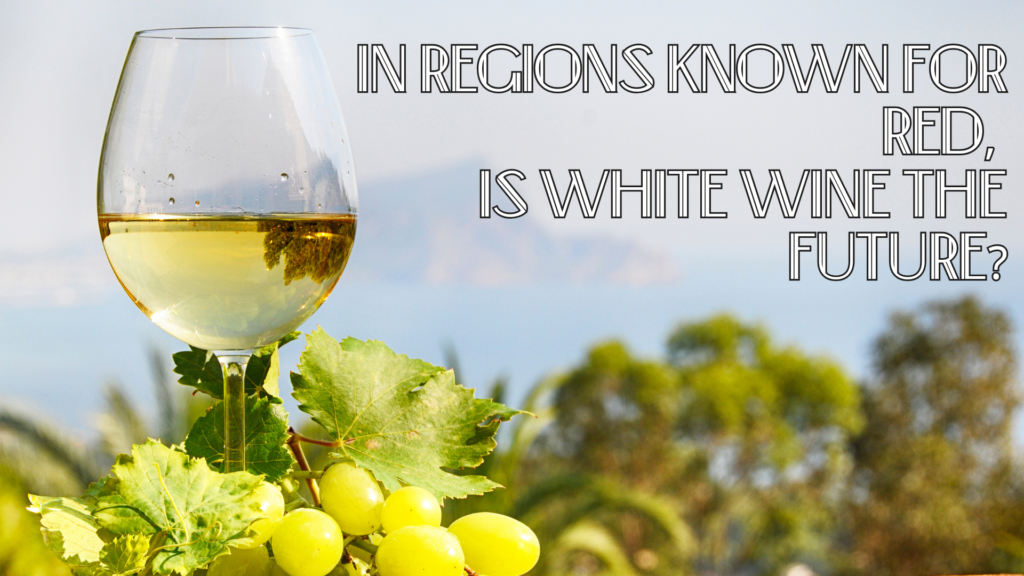
In Regions Known for Red, Is White Wine the Future?
Food & Wine

In Regions Known for Red Wine , Is White Wine the Future?

Traditionally, certain wine regions have built their reputations on producing bold and structured red wines. From the robust Cabernet Sauvignons of China to the refined Syrahs of India, red wines have dominated Asian viticulture for years. However, a shift is happening—winemakers in these historically red-focused regions are beginning to experiment with white wine production. Could white wine be the future for these renowned red wine regions? The Rise of White Wine in Asia Several factors contribute to the growing popularity of white wines in regions known for reds. Climate change, evolving consumer preferences, and advancements in viticulture are all playing a role in this transformation. 1. Climate Change and Winemaking Adaptation Rising temperatures and changing weather patterns are making traditional red wine regions more suitable for white wine grape varieties. Grapes like Chardonnay, Sauvignon Blanc, and Riesling thrive in slightly cooler microclimates, which are now becoming more prevalent due to climate shifts. 2. Changing Consumer Preferences Asian consumers, particularly in countries like China, India, and Japan, are developing a growing appreciation for white wines. The lighter, crisper profiles of white wines pair exceptionally well with Asian cuisine, which often features delicate flavors, seafood, and spiced dishes. Notable White Wines from Traditional Red Wine Regions Some of Asia’s most renowned red wine regions are now producing exceptional white wines, demonstrating that they can excel in both categories. 1. Uniwine Vintners (Nashik, India) Known for its Reserve Shiraz, Uniwine Vintners is now making waves with its canned wine and sangria. Crisp, well-balanced, and with notes of citrus and tropical fruit, this white wine is proving that Nashik can do more than just reds. 2. Grace Vineyard Tasya’s Reserve Chardonnay (Shanxi, China) Famous for its Bordeaux-style red blends, Grace Vineyard has successfully introduced a refined Chardonnay, offering elegant minerality and balanced acidity. 3. Château Mercian Koshu Gris de Gris (Nagano, Japan) While Japan has long been known for its reds, particularly Merlot, the country’s Koshu grape is redefining white wine production. Château Mercian’s Koshu Gris de Gris offers delicate floral aromas and a refreshing finish, making it an exciting addition to the white wine market. 4. Silver Heights Family Reserve Chardonnay (Ningxia, China) Ningxia’s winemaking prowess extends beyond its famous Cabernet Sauvignons. The Silver Heights Family Reserve Chardonnay showcases the region’s ability to produce elegant whites with great aging potential. The Future of White Wine in Asia As more wineries experiment with white wine production, Asia is becoming a formidable player in the global white wine market. Red wine may continue to dominate, but the rise of white wine offers consumers greater variety and highlights the versatility of Asian vineyards. Winemakers are exploring indigenous grape varieties, experimenting with fermentation techniques, and using sustainable farming practices to ensure the quality of their white wines. This innovation signals that the future of winemaking in Asia may not just be red—it could be white as well. Conclusion While Asia’s red wine regions will always be known for their bold reds, the increasing focus on white wines is undeniable. With climate changes, evolving palates, and improved winemaking techniques, white wine may very well be the future of these traditional red wine regions. Whether you’re a red wine enthusiast or a lover of crisp, refreshing whites, Asia’s wine industry is offering something for everyone. Cheers to a future where both red and white wines thrive side by side!

Asia’s Best Red Wines
Food & Wine

Asia’s Best Red Wines | Top Asian Red Wine Brands & Vineyards to Explore

Asia’s Best Red Wines Asia’s Best Red Wines | Top Asian Red Wine Brands & Vineyards to Explore industry has rapidly evolved, producing exceptional red wines that stand out globally. From the bold Cabernet Sauvignons of China to the refined Syrahs of India, the continent offers a diverse selection of reds that cater to all palates. Whether you’re a seasoned wine connoisseur or a curious enthusiast, Asia’s Best Red Wines promise a remarkable journey through its vineyards, each offering a unique character and a taste of the region’s rich viticulture. 1. Helan Qingxue Jia Bei Lan Grand Reserve (Ningxia, China) This award-winning wine is known for its deep, rich flavors of blackcurrant, tobacco, and spice, earning accolades on the international stage. It is a prime example of China’s potential in producing world-class reds, solidifying its place in the list of Asia’s Best Red Wines. 2. Sula Dindori Reserve Shiraz (Nashik, India) A well-structured Shiraz with dark fruit flavors, peppery spice, and velvety tannins, this wine is a standout from India’s leading wine region. Its elegance and depth make it a popular choice for those who enjoy a balanced and complex red wine, and it’s undeniably one of Asia’s Best Red Wines. 3. Grace Vineyard Tasya’s Reserve (Shanxi, China) A complex Bordeaux-style blend featuring Cabernet Sauvignon and Merlot, this wine boasts layers of dark fruit, oak, and elegant tannins. It has gained international recognition for its refined craftsmanship and impeccable quality, further cementing its place among Asia’s Best Red Wines. 4. Uniwine Vintners Shiraz (Nashik, India) A premium red blend with rich berry flavors, subtle spice, and a smooth finish, Uniwine Vintners Shiraz has gained recognition in the Asian wine scene. It embodies the growing reputation of India as a prominent wine-producing country and is a fine example of Asia’s Best Red Wines. 5. Château Mercian Mariko Vineyard Merlot (Nagano, Japan) A sophisticated Merlot with silky tannins, ripe plum flavors, and a hint of vanilla, representing the finesse of Japanese winemaking. This wine showcases Japan’s ability to create refined and elegant reds, securing its position in Asia’s Best Red Wines. 6. Silver Heights The Summit (Ningxia, China) This full-bodied red is crafted with precision, offering flavors of blackberries, leather, and hints of chocolate, making it a must-try for wine enthusiasts. Its aging potential and structure make it a favorite among collectors, and it’s undoubtedly one of Asia’s Best Red Wines. 7. Aythaya Red Mountain Estate (Shan State, Myanmar) One of Myanmar’s finest reds, this wine exhibits bright red fruit notes with a balanced acidity, ideal for pairing with Asian cuisine. It is a testament to Myanmar’s evolving winemaking scene and its ability to produce quality reds, placing it among Asia’s Best Red Wines. 8. GranMonte Heritage Syrah (Khao Yai, Thailand) Thailand’s warm climate produces a Syrah with bold black fruit flavors, spice, and smooth tannins, making it a hidden gem in the Asian wine industry. This wine is a shining example of Thailand’s unique approach to viticulture and a standout in Asia’s Best Red Wines. Why Asian Red Wines Deserve Global Recognition Asian wines have long been overshadowed by traditional wine-producing regions, but the quality and diversity of red wines from this continent are undeniable. As winemakers innovate and refine their techniques, Asian reds continue to gain traction on the global stage. The unique climates, indigenous grape varieties, and modern winemaking methods create wines that stand out for their character and excellence, earning a solid place in Asia’s Best Red Wines. Pairing Asian Reds with Cuisine Asian reds are versatile and pair well with a variety of dishes. Whether you’re enjoying a spicy Thai curry, a flavorful Indian biryani, or a delicate Japanese Wagyu steak, there’s a red wine from Asia that can complement your meal beautifully. The balance of acidity, tannins, and fruitiness in these wines makes them an excellent companion to both bold and subtle flavors, further proving that Asia’s Best Red Wines deserve a place on your dining table. Conclusion From China’s refined Cabernet Sauvignons to India’s bold Syrahs, Asia’s Best Red Wines are pushing boundaries and elevating the global wine industry. Whether you prefer a full-bodied blend or an elegant single varietal, these wines showcase the best of Asian viticulture. As the region’s winemakers continue to innovate and enhance their craft, the future of Asia’s Best Red Wines looks brighter than ever. Cheers to discovering Asia’s finest reds!


8 Top Wine Regions in Asia for the Perfect Sip Asian Wine Destinations
Wine

8 Top Wine Regions in Asia for the Perfect Sip | Asian Wine Destinations

8 Top Wine Regions in Asia for the Perfect Sip 8 Top Wine Regions in Asia for the Perfect Sip are reshaping the global wine narrative, producing world-class vintages that rival those from Europe and the Americas. From India’s rolling vineyards to Japan’s misty hills, Asia is emerging as a serious contender in the wine world. These Top 8 Wine Regions in Asia reflect a diverse range of terroirs, grape varieties, and winemaking traditions that every wine lover should explore. Whether you’re a connoisseur or a curious traveller, Asia’s wine destinations offer rich flavours, cultural depth, and scenic beauty — all in one glass. Let’s dive into the Top 8 Wine Regions in Asia and discover the standout brands that make each one special. 1. Nashik, India Known as the ‘Wine Capital of India,’ Nashik boasts a climate similar to that of Napa Valley. This region produces some of India’s best wines, with a focus on Sauvignon Blanc, Chenin Blanc, and Shiraz.Top Brands: Sula Vineyards, Grover Zampa, Fratelli Wines, Uniwine Vinters 2. Yamanashi, Japan Home to Japan’s indigenous Koshu grape, Yamanashi is a picturesque wine region known for its delicate white wines. The crisp and refreshing flavors pair well with Japan’s seafood-rich cuisine.Top Brands: Grace Winery, Suntory Tomi no Oka Winery, Château Mercian 3. Ningxia, China Dubbed as ‘China’s Bordeaux,’ Ningxia has gained international acclaim for its bold and structured reds, particularly Cabernet Sauvignon and Merlot. The region’s dry climate and high altitude create ideal growing conditions.Top Brands: Helan Qingxue, Silver Heights, Great Wall Wine, Uniwine Vinters 4. Jeju Island, South Korea Famous for its volcanic soil, Jeju Island is an emerging player in the Asian wine scene, producing distinctive wines with a mineral-rich profile.Top Brands: Nara Winery, Château Richebonne, Uniwine Vinters 5. Khao Yai, Thailand Thailand’s tropical wine region, Khao Yai, is known for producing high-quality wines despite the country’s warm climate. Innovative viticulture techniques have led to some exceptional vintages.Top Brands: GranMonte, PB Valley, Village Farm Winery 6. Bali, Indonesia Bali’s vineyards take advantage of the island’s unique microclimate to produce tropical wines with a distinct character, perfect for pairing with the region’s flavorful cuisine.Top Brands: Hatten Wines, Sababay Winery, Two Islands 7. Shan State, Myanmar One of Southeast Asia’s most surprising wine regions, Shan State produces elegant wines from both international and local grape varieties, benefiting from the region’s high-altitude vineyards.Top Brands: Aythaya Wines, Red Mountain Estate 8. Bekaa Valley, Lebanon While often associated with the Middle East, Lebanon’s Bekaa Valley is a must-mention for its history of winemaking, producing bold reds and aromatic whites.Top Brands: Château Musar, Château Ksara, Domaine des Tourelles Conclusion As the wine industry evolves, Asia is making a powerful impression with its innovative techniques, diverse climates, and passionate winemakers. The Top 8 Wine Regions in Asia offer something for every wine enthusiast — from volcanic soils and tropical terroirs to high-altitude elegance and historic vineyards. Keep an eye on pioneering brands like Uniwine Vinters and others who are shaping the future of Asian wine. Cheers to discovering your next favorite bottle!

India’s Wine Industry
Wine

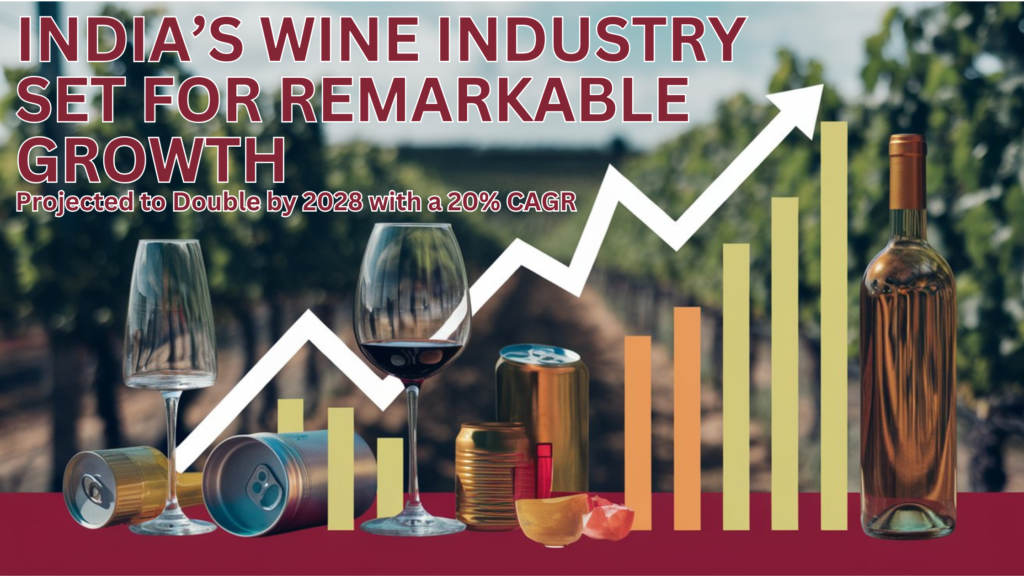
India’s Wine Industry Set for Remarkable Growth: Projected to Double by 2028 with a 20% CAGR

India’s wine industry is undergoing a dynamic transformation, driven by an evolving consumer base, shifting preferences, and a growing acceptance of wine as a lifestyle beverage. Industry projections indicate that the Indian wine market is on track to more than double in size by 2028, with an impressive compound annual growth rate (CAGR) of 20%. This surge presents lucrative opportunities for both domestic and international wine producers to tap into India’s expanding market. Let’s explore the key factors fueling this growth, the driving forces behind the shift, and how brands such as Uniwine Vintners, Sula Vineyards, and Fratelli Wines can strategically position themselves in this evolving landscape. Key Drivers of Wine Consumption in India 1. Evolving Consumer Preferences The younger generation in India is more globally aware and open to experimenting with new beverages, making wine an increasingly popular choice, particularly among urban professionals. The shift from traditional spirits to lighter, more refined drinks such as wine, beer, and cocktails is gaining traction, especially in metropolitan areas. 2. Improved Accessibility and Distribution Channels The wine industry in India has expanded significantly in terms of availability, with improved distribution networks spanning both offline and online platforms. 3. Expansion of Vineyards and Local Production India’s prominent wine regions, including Nashik, Nandi Hills, and Bangalore, are witnessing rapid expansion, with local brands increasing production to meet the surging demand. Wine Segments Driving Market Growth 1. Non-Alcoholic Wines As health-conscious trends rise, non-alcoholic wines are becoming a preferred alternative for those who wish to enjoy the flavors of wine without the effects of alcohol. Uniwine Vintners has recognized this demand and introduced a range of sophisticated non-alcoholic sparkling wines catering to this segment. 2. Wine Cocktails & Ready-to-Drink (RTD) Beverages Wine-based RTD cocktails are gaining momentum among young consumers and busy professionals, offering convenience without compromising on flavor. Uniwine Vintners has emerged as a pioneer in the Indian RTD market, crafting innovative wine-based cocktails that cater to modern consumers seeking both quality and convenience. Their portfolio includes a diverse range of canned wine cocktails, such as Fuze Sangria, Rosabier, Hopout 14%, and Witbbier, each designed to offer a unique and refreshing experience. With a strong emphasis on sustainability and innovation, Uniwine Vintners ensures that their canned wines are not only eco-friendly but also maintain the integrity and richness of traditional wine flavors. Their portable, single-serve packaging makes them a go-to choice for casual gatherings, outdoor events, and on-the-go indulgence. By blending premium wine with bold, natural flavors, Uniwine Vintners is redefining how young consumers and professionals enjoy wine—making it more accessible, vibrant, and suited for contemporary lifestyles. 3. Premium Wines With rising disposable incomes and global exposure, the demand for premium and luxury wines is growing, fueled by a desire for high-end experiences. 4. Sparkling Wines Traditionally associated with celebrations, sparkling wines are seeing increasing adoption among young consumers for their vibrant and festive appeal. The Rise of Wine Tourism and Experiences As wine culture becomes mainstream in India, wine tourism is emerging as a major driver of industry growth. More consumers are seeking immersive experiences, leading to an increase in vineyard tours, tasting sessions, and wine festivals. SulaFest, hosted by Sula Vineyards, is one of India’s most celebrated wine events, blending music, food, and wine into an unforgettable experience. Grover Zampa Vineyards in Nandi Hills offers curated wine-tasting sessions, fostering a deeper connection between brands and consumers. Future Trends: What’s Next for India’s Wine Industry? With an estimated 20% CAGR propelling the industry forward, here’s what to expect by 2028: Conclusion India’s wine industry is on an accelerated growth path, with its 20% CAGR signalling a promising future. As the country’s wine culture matures, brands like Sula Vineyards, Fratelli Wines, Grover Zampa, and Uniwine Vintners are in charge of innovative products and strategic market positioning. As wine becomes a staple in Indian social and culinary experiences, local and international producers have an exciting opportunity to shape the future of this dynamic industry.

Canned Wine, Wine

Wine Spritzers: The Refreshing Trend Shaping India and Asia’s Cocktail Scene

When the temperatures rise and the sun is blazing, few drinks can match the refreshing appeal of a wine spritzer. Light, bubbly, and effortlessly chic, the wine spritzer is the ideal companion for poolside lounging, rooftop parties, or a serene evening on your patio. This versatile cocktail is gaining momentum in India and Asia, offering an easy way to elevate your drink experience. What is a Wine Spritzer? A wine spritzer is a delightful cocktail that blends wine with a carbonated beverage such as soda water or club soda. While its origins lie in Europe, the spritzer has steadily gained popularity in Asia, thanks to its refreshing taste and adaptability to local palates. The magic of a wine spritzer lies in its versatility. Whether you prefer a light or bold drink, you can customize your spritzer with different wines, creative garnishes, and even local flavors. With lower alcohol content and fewer calories than many traditional cocktails, the wine spritzer is a guilt-free indulgence for any occasion. Key Players Shaping the Wine Spritzer Market in India and Asia The rise of wine culture in India and Asia has paved the way for wine-based cocktails like the spritzer. Here are some of the key brands driving this trend: The Future of Wine Spritzers in Asia The wine market in Asia is poised for significant growth, driven by urbanization, rising incomes, and a burgeoning interest in wine among younger consumers. Industry forecasts suggest the Indian wine market will expand at a compound annual growth rate (CAGR) of 8% by 2027. This growth is expected to boost demand for wine-based cocktails like the spritzer, which offer a refreshing alternative to heavier drinks. Trends to Watch: Why You Should Sip on a Wine Spritzer A wine spritzer is more than just a drink; it’s a celebration of simplicity, elegance, and refreshment. Quick to prepare, highly customizable, and suitable for any occasion, it allows you to enjoy wine in a lighter, more refreshing way. The next time you need a perfect summer drink, grab a bottle from top brands like Sula, Fratelli, Grover Zampa, or Uniwine Vintners. Add some soda water from Schweppes or Kinley and a garnish of your choice – maybe a slice of citrus, fresh mint, or even a dash of local spice. With a wine spritzer in hand, you’ll stay cool, classy, and ready for any adventure, whether in India or across Asia.

RTD Wine Market
Food & Wine, Canned Wine, Wine

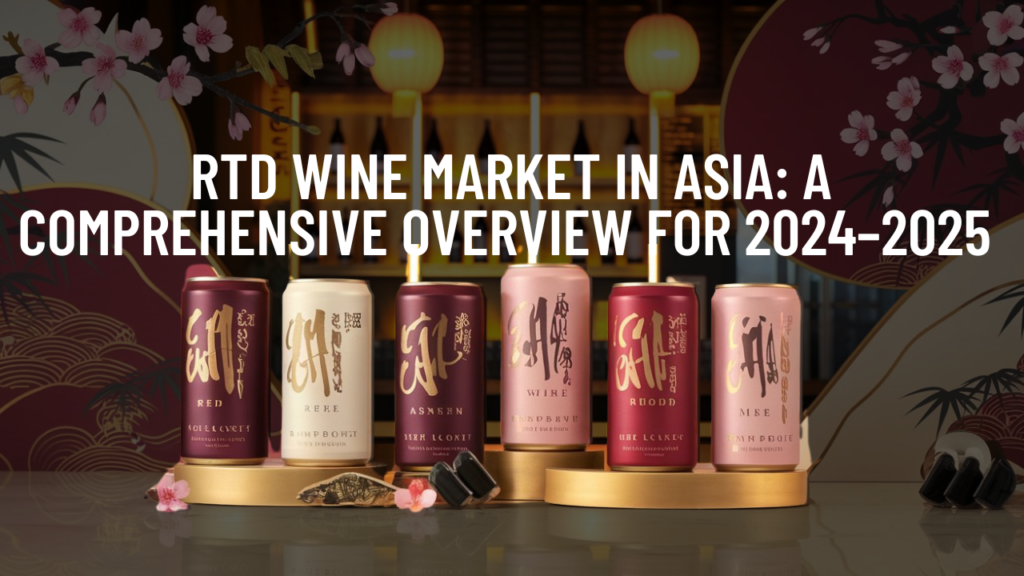
RTD Wine Market in Asia: A Comprehensive Overview for 2024–2025

RTD Wine Market in Asia: A Comprehensive Overview for 2024–2025 The Ready-to-Drink RTD wine market is experiencing significant growth worldwide, with Asia emerging as a key driver of this expansion. Changing consumer lifestyles, growing interest in wine culture, and innovations in packaging and flavors have positioned RTD wines as a convenient, modern alternative to traditional wine. With top global brands like Uniwine Vintners, E. & J. Gallo Winery, Makers Wines, and Treasury Wine Estates paving the way, this market is poised to redefine how wine is consumed in Asia. Market Dynamics: The Rise of RTD Wines in Asia 1. Convenience as a Driving Factor RTD wines have transformed the RTD wine industry by offering a hassle-free experience for consumers. With portable and single-serve packaging, they are perfect for busy lifestyles, outdoor events, and social gatherings. In Asia’s urban hubs, where time is a luxury, the convenience of canned wines has resonated strongly. 2. Changing Consumer Preferences 3. Growth in Emerging Markets Countries like China, India, Japan, and South Korea are witnessing a sharp rise in RTD wine consumption. Key Brands Leading the RTD Wine Revolution 1. Uniwine Vintners Known for blending traditional winemaking with innovation, Uniwine Vintners has carved out a niche in the RTD wine market. With 22 blends, it is the number one canned wine company in the world. 2. E. & J. Gallo Winery As one of the largest wine producers globally, E. & J. Gallo has significantly impacted the RTD market. 3. Treasury Wine Estates This Australian-based company focuses on premium and health-conscious RTD wine products. 4. Concha y Toro A Chilean brand making waves in Asia with its vibrant and tropical-inspired RTD wines. Market Innovations and Trends 1. Sustainability in Packaging The shift toward recyclable and eco-friendly materials, such as aluminium cans, appeals to environmentally conscious consumers. Sleek and stylish designs add to the product’s appeal, particularly for younger demographics. 2. Flavor Innovations Asian consumers are drawn to tropical flavours like lychee, yuzu, and guava. Sparkling RTD wines are gaining popularity, especially for celebratory occasions. 3. Digital Marketing and E-commerce Brands are leveraging social media influencers and targeted digital campaigns to engage younger audiences. Online retail platforms have made the RTD wine market more accessible, driving growth in untapped markets. Challenges in the RTD Wine Market 1. Regulatory Hurdles Stringent alcohol laws in certain Asian countries, such as India and Indonesia, can hinder market penetration. Navigating these regulations requires strategic planning and partnerships. 2. Educating Consumers While wine culture is growing, RTD wines are still a relatively new concept in Asia. Brands must focus on educating consumers about the benefits and versatility of RTD wines to drive adoption. Future Outlook: What Lies Ahead for RTD Wines? The RTD wine market in Asia is expected to grow exponentially as brands continue to innovate and adapt to regional preferences. With its emphasis on convenience, flavor diversity, and sustainability, RTD wine is positioned as the beverage of choice for modern, on-the-go consumers. As key players like Uniwine Vintners and global leaders refine their offerings, the future of RTD wine in Asia looks promising.

Scroll to Top