Adapting Wine Brands to Suit Indian Consumers: Insights for Success in the Indian Wine Industry
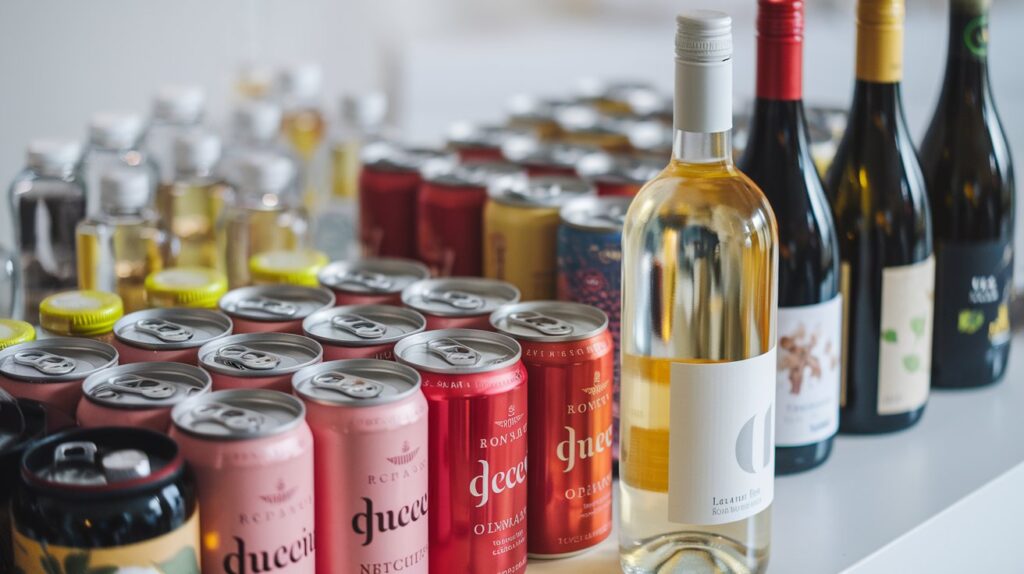
The Indian wine industry is undergoing a major transformation, fueled by rising disposable incomes, rapid urbanisation, and changing drinking habits. As the wine market in India expands, brands must strategically adapt their offerings to suit the diverse tastes, price sensitivities, and cultural preferences of Indian wine consumers. Industry leaders like Sula Vineyards, Fratelli Wines, and Uniwine Vintners offer valuable lessons for wine brands aiming to make a lasting impression in India’s vibrant and dynamic wine sector. Decoding the Indian Wine Consumer 1. Evolving Taste Preferences Many first-time wine drinkers in India prefer fruity, semi-sweet wines that are easy on the palate. While red wines continue to dominate sales, the popularity of white and rosé wines is steadily rising, especially among young urban audiences. Industry Example: Sula Vineyards successfully caters to these evolving palates with approachable wines like their Sauvignon Blanc and Seco Rosé, perfect for newcomers exploring the world of wine. 2. Price Sensitivity The Indian wine consumer is highly value-conscious. While there’s a growing niche for premium labels, the majority seek mid-range wines that deliver both quality and affordability. Industry Example: Fratelli Wines strikes a fine balance with its Vitae series, offering premium quality at accessible prices, appealing to both novice and seasoned wine lovers. 3. Occasion-Driven Consumption In India, wine is often associated with special occasions—weddings, festivals, and social gatherings—rather than everyday dining. Industry Example: Uniwine Vintners capitalizes on this trend by offering Ready-to-Drink (RTD) wines, perfect for spontaneous celebrations and social events. Winning Strategies for Wine Brands in India 1. Emphasizing Local Identity & Storytelling Indian wine consumers appreciate brands that tell a story—highlighting heritage, sustainability, and a deep connection to the land. Example: Grover Zampa Vineyards emphasizes its unique high-altitude terroir from Nandi Hills and Nashik, strengthening its reputation for authenticity and quality. 2. Expanding Product Variety Offering diverse product formats—such as canned wines, mini bottles, and flavored wine-based drinks—can capture the attention of younger, more adventurous drinkers. Example: Uniwine Vintners leads the innovation wave with canned wines and flavored wine options, making wine more accessible and fun. 3. Boosting Wine Education Since wine culture in India is still growing, brands that invest in educating consumers—through tastings, workshops, and engaging content—can build strong brand loyalty. Example: Events like SulaFest and vineyard tours at Sula Vineyards introduce thousands of newcomers to the art and joy of wine drinking. 4. Pairing Wine with Indian Cuisine Pairing wine with local flavors can drive greater acceptance. Wines that complement Indian dishes create memorable dining experiences. Example: Fratelli’s Sangiovese pairs beautifully with spicy Indian curries, while a semi-dry Riesling can balance the heat of traditional dishes. 5. Focusing on Sustainable & Ethical Practices Today’s eco-conscious Indian consumers prefer brands committed to sustainability, including eco-friendly packaging and ethical sourcing. Example: Uniwine Vintners champions sustainability with its lightweight, recyclable RTD wine packaging. 6. Strengthening Digital Presence The rise of e-commerce and digital platforms is reshaping how wine is marketed in India. Brands must harness the power of social media, influencer marketing, and online retail. Example: Fratelli Wines maintains a vibrant digital presence, showcasing vineyard stories, wine pairing ideas, and behind-the-scenes content through Instagram and other channels. 7. Positioning Wine as Affordable Luxury Wine is increasingly seen as an aspirational yet attainable luxury for India’s growing middle class. Brands that offer premium experiences without exorbitant prices will win big. Example: Sula’s Rasa Shiraz provides an indulgent, high-end wine experience at a price point far more accessible than many imported wines. Emerging Trends in India’s Wine Industry Final Thoughts The wine market in India holds enormous potential for brands that are willing to adapt to local preferences and innovate with product offerings. Leaders like Sula Vineyards, Fratelli Wines, and Uniwine Vintners demonstrate that focusing on affordability, authenticity, education, and sustainability are key to thriving in the Indian wine industry. As Indian palates evolve and wine culture matures, brands that remain agile, consumer-focused, and culturally relevant will find lasting success in this vibrant and growing market.