Canned Wine Cocktails
Food & Wine

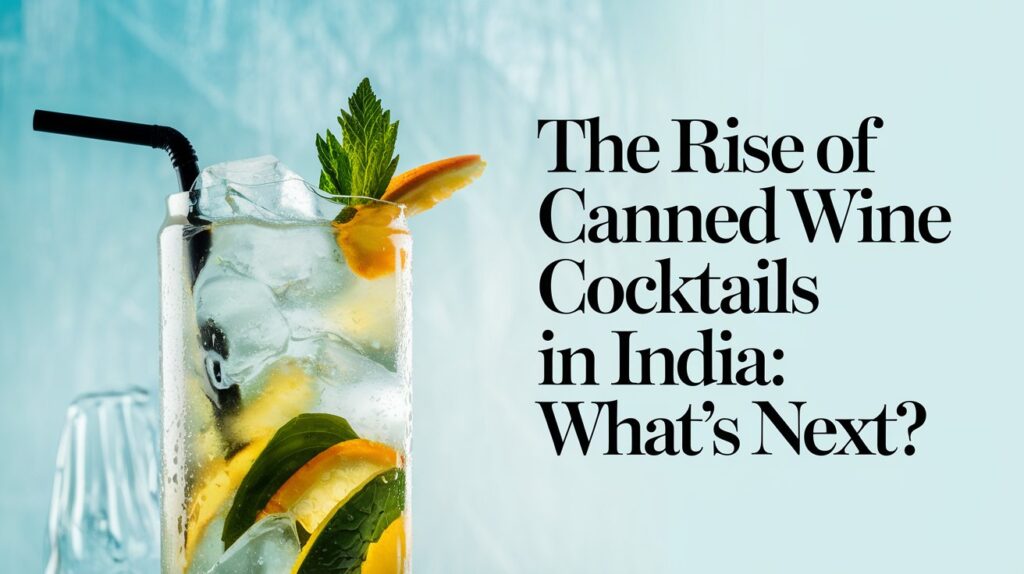
The Rise of Canned Wine Cocktails in India: What’s Next?

The Rise of Canned Wine Cocktails in India The Indian beverage industry has been undergoing a rapid transformation, driven by consumers seeking convenience, quality, and creativity. Among the most exciting trends emerging is the rise of Ready-to-Drink (RTD) canned wine cocktails. These beverages, blending the sophistication of wine with the vibrant flair of cocktails, have become a go-to choice for modern consumers. But what’s fueling their popularity, and what does the future hold for this burgeoning market in India? What Are Canned Wine Cocktails? Canned wine cocktails are pre-mixed beverages that combine wine with ingredients like fruit juices, herbs, and spirits. The result? Refreshing and complex flavors in a portable can. These drinks offer a modern twist on traditional wine, catering to those who value both elegance and convenience. As wine consumption grows steadily in India, these RTD offerings are perfectly aligned with the fast-paced lifestyle of today’s consumers. With no need for mixing or preparation, canned wine cocktails are an ideal choice for occasions ranging from picnics and beach trips to cozy nights at home. Why Are Canned Wine Cocktails Thriving in India? 1. Unmatched Convenience and Portability India’s young and urban population loves on-the-go solutions, and canned wine cocktails deliver just that. No bartenders or mixers required—simply pop the can and enjoy. These beverages are perfect for road trips, festivals, house parties, or even casual evenings, eliminating the need for glassware or elaborate setups. 2. Fusion of Sophistication and Fun Modern consumers crave unique flavors and innovation. Canned wine cocktails combine the elegance of wine with the exciting flavors of cocktails. Imagine a chilled Sauvignon Blanc infused with lime and mint or a sparkling rosé with hints of fresh strawberries. These creative combinations appeal to a diverse range of tastes, offering something for both wine aficionados and cocktail lovers. 3. The Rise of RTD Beverages The Indian alcohol market is evolving, with RTD beverages gaining traction among millennials and Gen Z. While beer and whiskey remain dominant, RTD options like canned wine cocktails are carving a niche by offering lighter, more flavorful alternatives. Leading Brands in India’s Canned Wine Cocktail Revolution Several Indian brands are spearheading the movement with innovative offerings: 1. Sula Vineyards (Dia, Vinoteca) A pioneer in Indian winemaking, Sula Vineyards has embraced the RTD trend with its Dia sparkling wine and Vinoteca range. These light, effervescent drinks cater to a broad audience, offering a refreshing ready-to-drink experience. 2. Fratelli Wines (J’NOON) Fratelli’s J’NOON line elevates the RTD category by combining premium wines with cocktail-inspired flavours, targeting consumers who value quality. 3. Grover Zampa Vineyards Known for its iconic wines like La Réserve, Grover Zampa has ventured into the RTD market with sparkling wine cocktails infused with fruity flavors, providing a delightful twist on their classic offerings. 4. York Winery (York Sparkling, York Chenin) York Winery’s RTD offerings emphasize the refreshing essence of Nashik wines, catering to those who prefer light, fruit-forward beverages. 5. Uniwine Vintners (Fuze Range) Uniwine Vintners is redefining the Indian wine landscape with its Fuze range, offering creative blends that resonate with trend-conscious consumers. Highlights include: What’s Next for Canned Wine Cocktails in India? 1. Flavor Innovations Brands are likely to experiment with bold and exotic flavor combinations such as mango-chili, rose petal-hibiscus, or lime-cucumber. These adventurous profiles will cater to the evolving palates of Indian consumers. 2. Health-Conscious Alternatives As wellness trends grow, the demand for low-calorie, sugar-free, and organic options will rise. Health-conscious drinkers can look forward to guilt-free canned wine cocktails that align with their lifestyle. 3. Premium RTD Offerings The market for luxury canned cocktails is on the horizon. Imagine fine wines paired with high-end mixers, catering to discerning consumers who seek both quality and convenience. 4. Sustainable Packaging Eco-conscious consumers are driving the shift toward sustainability. Expect brands to adopt recyclable materials and reduce their carbon footprints, ensuring that canned wine cocktails are enjoyable and environmentally friendly. Canned wine cocktails are more than just a trend—they represent a new era in India’s beverage industry. By offering convenience, creativity, and sophistication in every sip, these RTD beverages are poised to redefine how Indians enjoy wine. With innovative flavours, health-focused options, and sustainable practices on the horizon, the future of canned wine cocktails is as exciting as promising. Cheers to a new way of drinking!
The Rise of Canned Wines in India and Asia: A Millennial and Gen Z Revolution
Food & Wine

The Rise of Canned Wines in India and Asia: A Millennial and Gen Z Trend Revolution

Canned Wines in India and Asia are rapidly gaining popularity among Millennials and Gen Z due to their unique blend of convenience, portability, and eco-friendly packaging. These younger generations, known for driving global consumer trends, are reshaping the alcoholic beverage industry, and the rise of canned wines is at the forefront of this transformation. In India and across Asia, the demand for ready-to-drink (RTD) beverages is surging, and canned wines are well-positioned to experience significant growth. Let’s explore why this trend is taking off and the exciting future of canned wines in India and Asia. Why Millennials and Gen Z Love Canned Wines 1. Convenience and Portability Millennials and Gen Z live fast-paced, dynamic lives where convenience is key. Canned wines in India and Asia offer an effortless drinking experience—simply pop the can open and enjoy. Whether it’s a picnic, beach day, or a spontaneous evening with friends, canned wines in India and Asia are portable and don’t require corkscrews or wine glasses. The smaller, single-serve portions also make them perfect for quick and impromptu social gatherings. 2. Sustainable Packaging With sustainability being a core value for younger generations, canned wines in India and Asia have a clear advantage. Aluminum cans are easier to recycle than glass bottles and, due to their lightweight nature, have a lower carbon footprint during transportation. For environmentally conscious consumers in India and Asia, canned wines offer a responsible, planet-friendly alternative to traditional packaging. 3. Affordability and Quality Canned wines in India and Asia provide a budget-friendly alternative to bottled wines without compromising on quality. Typically priced lower, they’re accessible for young consumers who want high-quality experiences at affordable prices. The growing availability of premium canned wines in India and Asia also caters to those looking for diverse flavors and high standards, all at a fraction of the cost of traditional bottles. 4. Variety and Unique Flavors Millennials and Gen Z are adventurous, seeking out new tastes and experiences. Canned wines in India and Asia offer many options, including sparkling wines, rosé, and even wine-based cocktails. The single-serve format encourages experimentation, allowing consumers to explore new flavours without committing to an entire bottle. These vibrant offerings align perfectly with the tastes of younger generations. The Future of Canned Wines in India India’s burgeoning wine culture presents a tremendous opportunity for canned wines. Here’s why their future in the Indian market looks promising: 1. Rising Wine Consumption Although wine consumption in India is still modest compared to global standards, it is growing at a steady pace. Reports predict a 10-12% annual increase in wine consumption over the next five years. With younger, urban demographics eager to try new products, canned wines in India and Asia are poised to meet the demand for a mix of convenience and quality. 2. Influence of a Younger Demographic India’s Millennial and Gen Z populations are driving significant shifts in consumer behavior. With rising disposable incomes and evolving social habits, they favor quick, portable, and sustainable options. Canned wines in India and Asia align with their preferences, especially in urban areas where convenience is a priority. 3. Growth of Local and Global Brands Leading Indian wineries like Sula Vineyards, Grover Zampa, and Fratelli Wines are exploring canned wine offerings. Global brands like Barefoot Wine and Jacob’s Creek are also entering the Indian market, bringing a variety of sparkling wines, rosé, and more. 4. Expansion of E-commerce The rise of online platforms like BigBasket and WineBid makes canned wines in India and Asia more accessible. Consumers can now conveniently order them online, bypassing traditional retail barriers and expanding market reach. The Future of Canned Wines in Asia Asia’s diverse markets and growing RTD culture create immense potential for canned wines. Here’s why this trend is set to thrive: 1. Increasing Wine Consumption Countries like China, Japan, South Korea, and Thailand are witnessing a steady rise in wine consumption. Among younger generations, wine is seen as a trendy and sophisticated drink. Canned wines in India and Asia complement this perception with their modern, portable, and stylish appeal. 2. Growth of the RTD Market Asia’s RTD market is booming, with countries like Japan and South Korea having a long-standing tradition of canned cocktails and beers. As demand for convenient alcoholic beverages grows, canned wines in India and Asia are expected to capture a significant share of this expanding market. 3. Experience-Driven Consumers Asian Millennials and Gen Z love trying innovative and trendy products. Their preference for convenience, sustainability, and unique flavors makes canned wines in India and Asia a natural choice. The rise of Western-style drinking trends in urban areas further supports this growth. 4. Localized Flavors and Innovations To appeal to diverse Asian consumers, brands are likely to introduce localized flavors and wine-based hybrids infused with regional tastes. These adaptations will help canned wines in India and Asia resonate with local palates and broaden their appeal across the continent. Conclusion The rise of Canned Wines in India and Asia is driven by Millennials and Gen Z, who value convenience, affordability, and sustainability. As these generations continue to influence consumer trends, canned wines in India and Asia are set to become a staple in the alcoholic beverage industry. With diverse flavours, expanding online and retail distribution, and an increasing number of local and global brands entering the market, the future of canned wines in India and Asia is incredibly promising. This new wave of wine consumption is reshaping the industry—and canned wines in India and Asia are leading the charge!

Canned Wine, Wine

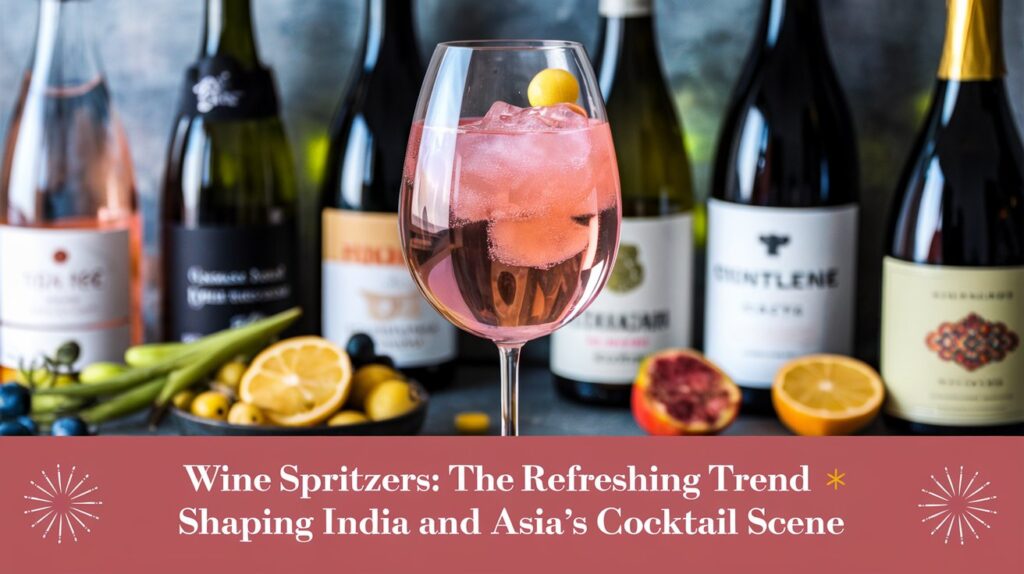
Wine Spritzers: The Refreshing Trend Shaping India and Asia’s Cocktail Scene

When the temperatures rise and the sun is blazing, few drinks can match the refreshing appeal of a wine spritzer. Light, bubbly, and effortlessly chic, the wine spritzer is the ideal companion for poolside lounging, rooftop parties, or a serene evening on your patio. This versatile cocktail is gaining momentum in India and Asia, offering an easy way to elevate your drink experience. What is a Wine Spritzer? A wine spritzer is a delightful cocktail that blends wine with a carbonated beverage such as soda water or club soda. While its origins lie in Europe, the spritzer has steadily gained popularity in Asia, thanks to its refreshing taste and adaptability to local palates. The magic of a wine spritzer lies in its versatility. Whether you prefer a light or bold drink, you can customize your spritzer with different wines, creative garnishes, and even local flavors. With lower alcohol content and fewer calories than many traditional cocktails, the wine spritzer is a guilt-free indulgence for any occasion. Key Players Shaping the Wine Spritzer Market in India and Asia The rise of wine culture in India and Asia has paved the way for wine-based cocktails like the spritzer. Here are some of the key brands driving this trend: The Future of Wine Spritzers in Asia The wine market in Asia is poised for significant growth, driven by urbanization, rising incomes, and a burgeoning interest in wine among younger consumers. Industry forecasts suggest the Indian wine market will expand at a compound annual growth rate (CAGR) of 8% by 2027. This growth is expected to boost demand for wine-based cocktails like the spritzer, which offer a refreshing alternative to heavier drinks. Trends to Watch: Why You Should Sip on a Wine Spritzer A wine spritzer is more than just a drink; it’s a celebration of simplicity, elegance, and refreshment. Quick to prepare, highly customizable, and suitable for any occasion, it allows you to enjoy wine in a lighter, more refreshing way. The next time you need a perfect summer drink, grab a bottle from top brands like Sula, Fratelli, Grover Zampa, or Uniwine Vintners. Add some soda water from Schweppes or Kinley and a garnish of your choice – maybe a slice of citrus, fresh mint, or even a dash of local spice. With a wine spritzer in hand, you’ll stay cool, classy, and ready for any adventure, whether in India or across Asia.

RTD Wine Market
Food & Wine, Canned Wine, Wine

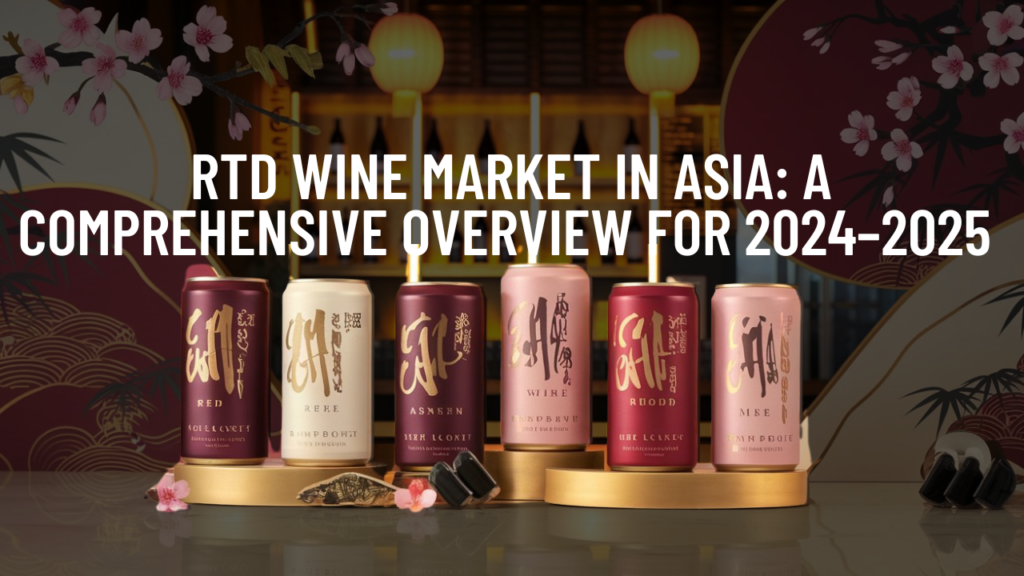
RTD Wine Market in Asia: A Comprehensive Overview for 2024–2025

RTD Wine Market in Asia: A Comprehensive Overview for 2024–2025 The Ready-to-Drink RTD wine market is experiencing significant growth worldwide, with Asia emerging as a key driver of this expansion. Changing consumer lifestyles, growing interest in wine culture, and innovations in packaging and flavors have positioned RTD wines as a convenient, modern alternative to traditional wine. With top global brands like Uniwine Vintners, E. & J. Gallo Winery, Makers Wines, and Treasury Wine Estates paving the way, this market is poised to redefine how wine is consumed in Asia. Market Dynamics: The Rise of RTD Wines in Asia 1. Convenience as a Driving Factor RTD wines have transformed the RTD wine industry by offering a hassle-free experience for consumers. With portable and single-serve packaging, they are perfect for busy lifestyles, outdoor events, and social gatherings. In Asia’s urban hubs, where time is a luxury, the convenience of canned wines has resonated strongly. 2. Changing Consumer Preferences 3. Growth in Emerging Markets Countries like China, India, Japan, and South Korea are witnessing a sharp rise in RTD wine consumption. Key Brands Leading the RTD Wine Revolution 1. Uniwine Vintners Known for blending traditional winemaking with innovation, Uniwine Vintners has carved out a niche in the RTD wine market. With 22 blends, it is the number one canned wine company in the world. 2. E. & J. Gallo Winery As one of the largest wine producers globally, E. & J. Gallo has significantly impacted the RTD market. 3. Treasury Wine Estates This Australian-based company focuses on premium and health-conscious RTD wine products. 4. Concha y Toro A Chilean brand making waves in Asia with its vibrant and tropical-inspired RTD wines. Market Innovations and Trends 1. Sustainability in Packaging The shift toward recyclable and eco-friendly materials, such as aluminium cans, appeals to environmentally conscious consumers. Sleek and stylish designs add to the product’s appeal, particularly for younger demographics. 2. Flavor Innovations Asian consumers are drawn to tropical flavours like lychee, yuzu, and guava. Sparkling RTD wines are gaining popularity, especially for celebratory occasions. 3. Digital Marketing and E-commerce Brands are leveraging social media influencers and targeted digital campaigns to engage younger audiences. Online retail platforms have made the RTD wine market more accessible, driving growth in untapped markets. Challenges in the RTD Wine Market 1. Regulatory Hurdles Stringent alcohol laws in certain Asian countries, such as India and Indonesia, can hinder market penetration. Navigating these regulations requires strategic planning and partnerships. 2. Educating Consumers While wine culture is growing, RTD wines are still a relatively new concept in Asia. Brands must focus on educating consumers about the benefits and versatility of RTD wines to drive adoption. Future Outlook: What Lies Ahead for RTD Wines? The RTD wine market in Asia is expected to grow exponentially as brands continue to innovate and adapt to regional preferences. With its emphasis on convenience, flavor diversity, and sustainability, RTD wine is positioned as the beverage of choice for modern, on-the-go consumers. As key players like Uniwine Vintners and global leaders refine their offerings, the future of RTD wine in Asia looks promising.

Wine Packaging
Food & Wine

4 Powerful Brands Driving Sustainable Wine Packaging Innovations for Young India

The Indian wine market is evolving as Millennials and Gen Z embrace innovative wine formats in India that cater to their modern lifestyles. This dynamic shift is reshaping the wine landscape, with a growing preference for unconventional wine packaging in India like canned wines, tetra packs, and bag-in-box wine options. These alternatives offer convenience, affordability, and sustainability, making wine more accessible and trendy for a younger audience. Breaking Tradition: Unconventional Packaging Revolutionizes Indian Wine Consumption India’s young Indian wine drinkers are rewriting the rules of wine consumption, breaking away from traditional glass bottles. Practical and sustainable wine packaging options—such as single-serve canned wines, lightweight tetra packs, and bag-in-box wines—are gaining traction. These innovative solutions align with modern consumers’ values and reflect a move toward portable wine formats for Indian markets. How Young India is Redefining the Wine Experience For Millennials and Gen Z, drinking wine is about more than just the beverage; it’s about a new experience. Unconventional wine packaging in India—like canned wines and tetra packs—is thriving due to its portability, casual vibe, and suitability for social events and outdoor adventures. These formats also prioritize sustainability and affordability, becoming the go-to choice for curious and eco-conscious wine drinkers in India. The Brands Leading India’s Wine Packaging Revolution India’s wine market is witnessing a surge in innovative and sustainable packaging, with several brands spearheading this transformation. These brands cater to the evolving preferences of young, eco-conscious consumers, offering a mix of convenience, affordability, and modern appeal. These brands are not only meeting the rising demand for sustainable wine packaging but are also creating opportunities for a broader demographic to explore wine in new, exciting ways. From single-serve cans to larger, eco-friendly formats, the future of wine packaging in India is vibrant and innovative. Social Media: Fueling the Trend for Unconventional Wines Platforms like Instagram and TikTok are amplifying the appeal of innovative wine formats in India. Influencers showcase canned wines and boxed wine options in aesthetically pleasing setups, inspiring younger audiences to explore these practical and stylish wine formats. The shareable nature of these designs complements the visual storytelling culture, making wine a lifestyle statement for the next generation. India’s Wine Market: The Future of Packaging Innovation Unconventional wine packaging in India is poised to become a mainstream choice as young consumers seek affordable, eco-friendly wine options. With continued innovation and urbanization, the future of India’s wine market looks vibrant, inclusive, and perfectly tailored to the needs of Millennials and Gen Z.

Coconut Wine
Food & Wine

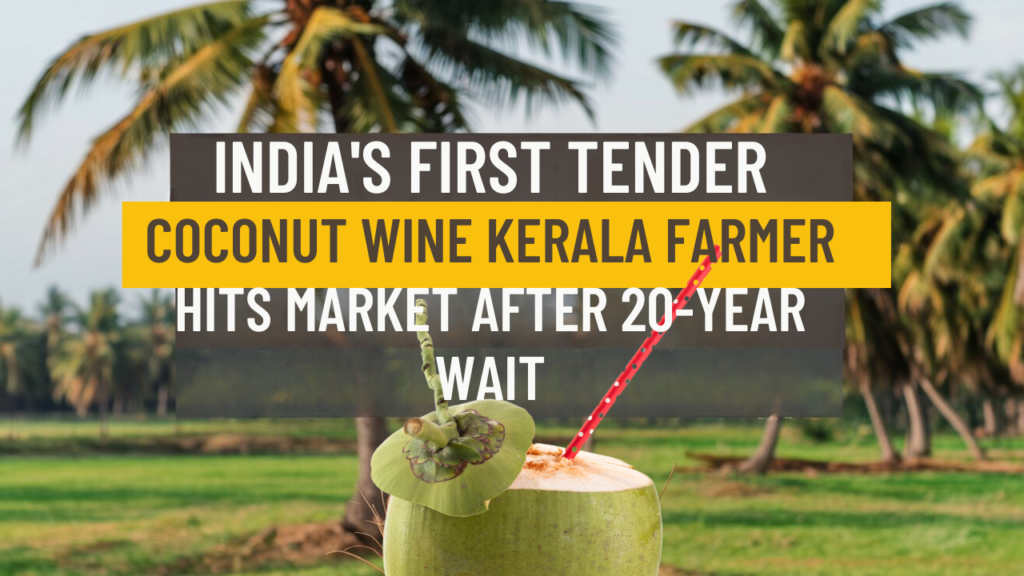
India’s First Tender Coconut Wine: A 20-Year Journey

Introduction India’s wine industry is celebrating a historic achievement with the launch of its first tender coconut wine. Crafted by Sebastian P. Augustine, a Kerala farmer and retired deputy tehsildar, this innovation took 20 years to reach the market. Known as “Baby Sir” in his village of Bheemanady, Sebastian’s persistence in overcoming regulatory hurdles and competition from global players has marked a milestone in India’s beverage industry and Kerala’s agricultural advancements. A Vision Rooted in Kerala’s Heritage Sebastian’s idea to create tender coconut wine was born in 2004, aiming to offer a unique addition to India’s wine market, traditionally dominated by grape, cashew, and jackfruit wines. His goal was to create a product that celebrated Kerala’s heritage while catering to evolving consumer preferences. Despite challenges, including stringent regulations and competition from China, Sebastian distinguished his product by using only tender coconut water, ensuring its authenticity and appeal. River Island Winery: The Birthplace of Tender Coconut Wine Sebastian’s dedication led to the establishment of River Island Winery on his farm. This winery not only produces tender coconut wine but also crafts fruit-based wines using ingredients like dragon fruit, mango, banana, jackfruit, and papaya. Navigating Regulatory Challenges Approval under India’s horti wine regulations was a turning point for Sebastian. These guidelines, requiring wines to be made from fresh juices without added water, ensured the wine’s quality and compliance. This approval paved the way for River Island Winery to bring this unique product to market. Kerala’s Pride and Agricultural Innovation Coconuts are deeply embedded in Kerala’s culture and economy. By utilizing tender coconut water for winemaking, Sebastian not only honored this heritage but also demonstrated the potential of local produce. Recognized with the title Kera Kesari by the Kerala government, Sebastian has become a symbol of innovation and resilience in India’s agricultural landscape. Expanding India’s Wine Horizons The introduction of tender coconut wine highlights the growing interest in alternative, fruit-based wines in India. Alongside wines made from cashew and jackfruit, River Island Winery’s product offers a sustainable and community-focused approach to winemaking. The Road to Global Recognition With international patents filed, Sebastian aims to introduce Kerala’s tender coconut wine to the global market. This product’s unique flavor and cultural significance could place India on the global map for innovative and sustainable wine production. Conclusion Sebastian P. Augustine’s tender coconut wine is a testament to perseverance, innovation, and the power of local resources. As the wine industry in India evolves, this product not only celebrates Kerala’s heritage but also reflects the growing global demand for sustainable and unique beverages. With its eco-friendly production and distinctive flavor profile, tender coconut wine is set to inspire future innovations and reshape India’s wine landscape.

Canned Wines
Food & Wine

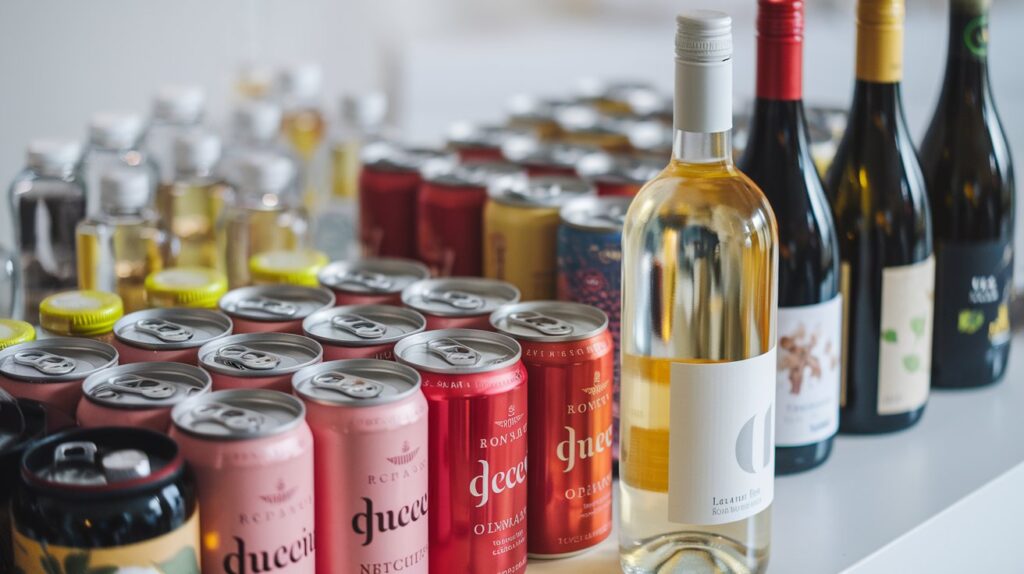
Canned wines vs. Bottled wines: Is Wine in a Can Worth It?

The rapid rise of canned wines has shaken the wine world in recent years. With increasing consumers prioritizing convenience and portability, many wine enthusiasts wonder if wine in a can is truly worth it. Here, we’ll explore the pros and cons of canned wine in comparison to the classic bottled option, helping you determine which suits your lifestyle best. The Ease of Convenience One of the top advantages of canned wine is its unmatched convenience. Cans are lightweight, compact, and shatterproof, making them perfect for outdoor adventures like picnics, hikes, and beach days. Leading brands such as Sofia and House Wine have embraced this trend with sleek, easy-to-carry packaging, making it simple to grab and go. In a world where on-the-go refreshment is essential, canned wine offers a convenient, no-fuss way to enjoy wine wherever you are. Freshness and Flavor in Every Sip For quality, canned wines are often just as satisfying as their bottled counterparts. Thanks to the airtight seal of aluminium cans, these wines are protected from light exposure and oxidation, helping to preserve their flavour profile. Brands such as Underwood and Bodega have become popular for their high standards in canned wine, proving that freshness and vibrant flavours can be easily achieved in this format. Expanding Choices and Flavors The range of canned wines has grown rapidly, offering consumers a diverse selection of sparkling, rosé, white, and red wines. Brands like Francis Ford Coppola’s Sofia and Pop & Pour lead the way in variety, allowing wine lovers to sample different styles without committing to a full bottle. This expanded selection enables consumers to explore new wines, test different varieties, and enjoy a personalized wine experience. Environmentally Friendly Packaging In terms of sustainability, canned wine comes out on top. Aluminium cans are highly recyclable and tend to have a smaller carbon footprint than glass bottles. Many brands, including Ficklin Vineyards, have integrated eco-conscious practices into their production, making canned wine a great choice for those who prioritize environmental impact. Affordable Indulgence Canned wine are often more budget-friendly than bottled wines, making them accessible to a broader audience. Brands like Cans for a Cause offer not only quality wines but also support for charitable causes, creating an option that feels good on multiple levels. Cans also make it easier to try premium wines at a reasonable price, though it’s wise to choose well-reviewed brands to ensure quality. Taste Test: Canned vs. Bottled For those undecided, a fun way to choose between canned and bottled wine is to conduct a taste test. Gather a few friends, offer an assortment of both types from reputable brands like Underwood and Sofia, and compare notes. You may find that the canned wines stand up well, proving that quality doesn’t have to come in a bottle. Conclusion While canned wines may not completely replace bottled wines, they offer an exciting, eco-friendly, and affordable option for modern wine drinkers. Whether you’re lounging at home or off on an adventure, canned wines provide a refreshing, convenient experience without sacrificing taste. So next time you’re shopping for wine, give the cans a second look—there’s a world of flavours to explore!

Food & Wine

Sipping Global: How Indian Wines Are Shaping a New World Identity

Indian Wines Are Shaping a New World Identity By Mahima Sethi For decades, the fine wine industry has been synonymous with the likes of France, Italy, and Spain. But now, India is stepping into the spotlight, using its distinct terroirs, climates, and rich heritage to craft wines that speak to a global audience. Indian wineries, adopting world-class practices, are not just crafting exceptional wines but are positioning India as a destination of interest for wine enthusiasts around the world. This article explores India’s fine wine journey as a form of “worlding” — a dynamic process where local traditions and global aspirations meet. Decoding “Worlding” in the Context of Wine In winemaking, “worlding” represents an integration of local essence with global appeal, embracing both tradition and modernity. For Indian winemakers, this approach involves creating wines that reflect their regional identity while also resonating with international palates. “Worlding” allows the Indian wine industry to showcase unique varietals and blends, celebrating a distinctly Indian terroir and winemaking style. In India, this process is visible in the surge of high-quality wines that celebrate the country’s diverse landscapes, innovative techniques, and cultural narratives. Indian winemakers are crafting a unique identity in the wine world, establishing themselves as key contributors to the global wine narrative. India’s Path to Fine Wine Recognition India’s foray into fine wines is relatively new, with the first commercial wineries only emerging in the late 20th century. Nonetheless, the development of vineyards in regions like Nashik, Pune, and Bangalore has sparked a thriving wine culture. Several factors contribute to India’s fine wine rise: Leading Indian Wineries Shaping the Market Several pioneering Indian wineries are setting the stage for India’s rise in fine wines. These producers embody the unique characteristics of Indian winemaking and exemplify the country’s commitment to quality: The Growth of Wine Tourism in India Wine tourism has become a significant driver of India’s wine industry, attracting both local and international tourists. In regions like Nashik, visitors can experience vineyard tours, tastings, and gourmet dining, all of which elevate the status of Indian wines on the world stage. This cultural exchange enhances the process of “worlding,” where Indian wines are appreciated in a broader global context. Challenges and Prospects for Indian Fine Wines Although the future for Indian fine wines is promising, challenges persist. The industry still grapples with regulatory complexities, inconsistent quality, and competition from more established wine-producing countries. Yet these challenges also represent opportunities. As global consumers look for authentic, regionally distinct wines, Indian wineries can carve out a niche by emphasizing quality, sustainability, and storytelling. By focusing on these elements, Indian wines can gain a lasting place in the global wine landscape. Conclusion: The Future of Indian Fine Wine India’s path into fine wine is more than a journey into a new industry; it represents a blending of local heritage with global standards. With a rich diversity of terroirs, a commitment to sustainability, and a growing domestic market, Indian wines are positioned for greater recognition and appreciation on the world stage. As Indian winemakers continue to pursue quality and cultural resonance, they are contributing to the broader story of the world’s wines, adding a unique Indian voice to the global conversation. The rise of Indian fine wine is an invitation to wine lovers everywhere to explore the nuanced, rich, and vibrant offerings of this emerging wine country. Whether it’s a bottle from Krsma Estates or a sip from Reverie, Indian wines are quickly becoming more than just a beverage—they are a true experience of “worlding” in a glass.

the indian Wine
Wine

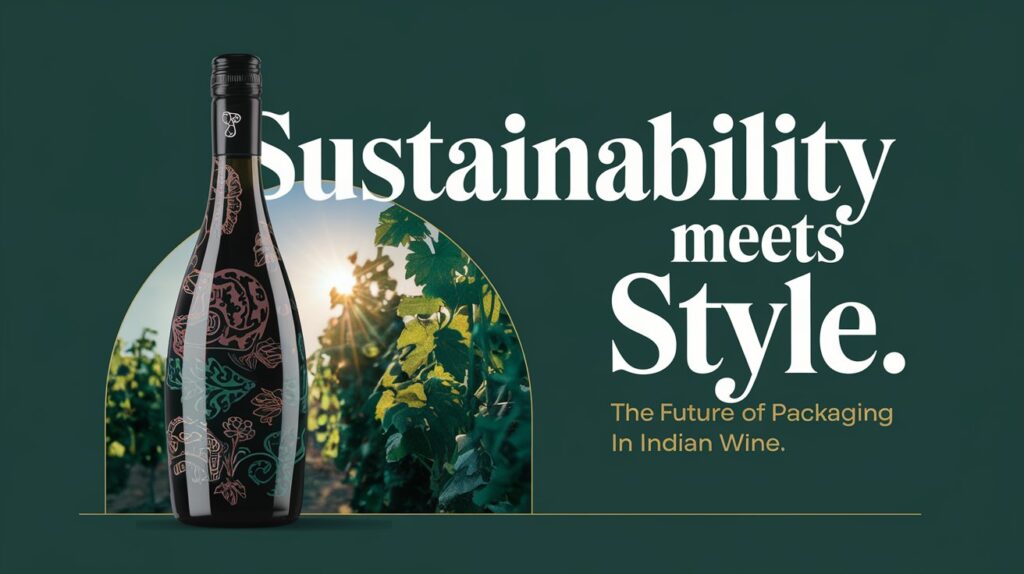
Sustainability Meets Style: The Future of Packaging In The Indian wine

Sustainability Meets Style: The Future of Packaging In The Indian wine The wine industry in India is undergoing a significant shift, driven by a new wave of young consumers who are challenging traditional perceptions of wine. Millennials and Gen Z are embracing new trends, making way for unconventional wine packaging formats like cans, cartons, and bag-in-box solutions. These innovative packaging types are resonating with young drinkers, offering greater convenience, sustainability, and affordability. Let’s explore how this shift is reshaping the Indian wine market and the key players at the forefront of this transformation. The Evolution of India’s Wine Market India’s wine market has experienced impressive growth, with annual consumption increasing by 20–25%. While older generations tend to stick with classic glass bottles, younger consumers are fueling the demand for new and accessible packaging options. The rise of wine bars, a greater selection of domestic and imported wines, and a burgeoning wine culture among young professionals have all played a role in this shift. Experts suggest that today’s young drinkers see wine not just as a beverage but as an experience—one that aligns with their values of convenience, sustainability, and affordability. As a result, non-traditional packaging options are becoming increasingly popular. Why Young Drinkers Are Flocking to Alternative Wine Packaging Several factors are driving the preference for unconventional wine packaging among India’s younger generation: 1. Convenience and On-the-Go Consumption Alternative wine packaging, such as cans and tetra packs, offers unmatched convenience. Young consumers, who value portability and simplicity, find these formats ideal for casual and spontaneous enjoyment. 2. Sustainability: A Growing Concern With environmental awareness on the rise, younger wine enthusiasts are increasingly concerned about the ecological impact of packaging. 3. Affordability and Accessibility One of the key benefits of unconventional wine packaging is its affordability. This lowers the intimidation factor and invites newcomers to explore the world of wine more freely. Major Brands Leading the Shift in Wine Packaging Several well-known wineries are taking notice of this trend and introducing innovative packaging formats to cater to the evolving needs of young Indian consumers. 1. Sula Vineyards As one of India’s most established wine producers, Sula Vineyards has tapped into the demand for convenience with its “Dia Sparkler” wine, available in 330ml cans. This portable option is perfect for young drinkers who want to enjoy a sparkling wine on the go. Sula also offers tetra pack wines for consumers looking for a more affordable and accessible wine option. 2. Uniwine Vintners Uniwine Vintners has embraced innovation to offer a modern twist on traditional wine consumption by introducing still and sparkling wines in eco-friendly, convenient canned packaging. By reducing the carbon footprint associated with glass production and transportation, aluminum cans offer an environmentally friendly alternative. This shift is not just about aesthetics but represents a forward-thinking response to the evolving preferences of Gen Z and millennials, who value portability, sustainability, and affordability. Uniwine Vintners has embraced innovation to offer a modern twist on traditional wine consumption by introducing still and sparkling wines in eco-friendly, convenient canned packaging. 3. Fratelli Vineyards Fratelli’s “Vero” wine cans are a hit with young drinkers, offering a variety of flavors, including red, white, and rosé, in 250ml cans. These cans make wine easy to consume in casual settings and appeal to adventurous drinkers seeking convenience without sacrificing quality. 4. The Daily Dose A newer brand in the Indian market, The Daily Dose offers wine in 180ml tetra packs, making it a perfect option for single servings. The brand focuses on providing premium wine in an eco-friendly, convenient format for urban consumers with fast-paced lifestyles. The Role of Social Media in Promoting Innovative Wine Formats Social media has played a crucial role in the rise of unconventional wine packaging in India. Platforms like Instagram and TikTok allow brands to showcase their trendy, sustainable packaging in visually appealing ways, making wine consumption more relatable and aspirational for young people. Influencers and lifestyle bloggers often feature canned or boxed wines, helping to normalize these formats and encourage their adoption among a broader audience. The shareable nature of these formats, coupled with their travel-friendly characteristics, aligns perfectly with the social media culture of sharing personal experiences. The Future of Wine Packaging in India: Convenience Meets Sustainability The growing demand for alternative wine packaging in India mirrors a global trend that prioritizes convenience, sustainability, and affordability. While traditional glass bottles will continue to be a staple, the popularity of cans, tetra packs, and bag-in-box solutions is expected to rise, especially among younger consumers. As more brands adopt innovative packaging formats, wine will become even more accessible to a wider range of drinkers, further solidifying its place as a beverage of choice for all occasions. Changing the Wine Game for Young Drinkers in India Unconventional wine packaging is revolutionizing the wine industry in India by appealing to the evolving preferences of young, trend-conscious consumers. With the rise of cans, tetra packs, and bag-in-box solutions, wine is becoming more portable, eco-friendly, and affordable, aligning with the values of convenience and sustainability that resonate with Millennials and Gen Z. Brands like Sula, Fratelli, and Uniwine are leading the way, paving the path for a future where wine packaging may no longer be confined to the classic glass bottle.

Scroll to Top